Practical guide to wildlife
Wildlife
The role of an animal control officer is to manage situations involving domestic animals. We therefore do not handle wildlife or wild animals, regardless of the reason. For advice or any assistance regarding wild animals, see further down this page.
Rabies alert
In December 2024, a case of raccoon rabies was detected in Quebec, despite control operations carried out in Quebec and Vermont. This is the first case detected since the one discovered in the southwest of Montérégie in 2015. Other cases have been discovered in Estrie and Montérégie since January 2025.
Instructions to follow to limit the risks of transmission to humans and spread across the territory:
- If you have been bitten or scratched by an animal, or if you have come into contact with its saliva, clean the wound (even if it appears minor) with soap and water for 10 to 15 minutes, then promptly contact Info-Santé 811 to obtain appropriate medical follow-up.
- Never approach an unknown animal, whether wild or domestic, even if it seems harmless and appears healthy. It could bite you and transmit rabies. An animal may carry the disease and develop symptoms several days or weeks after being infected.
- Avoid moving nuisance animals or animals that seem orphaned, as you could spread rabies to new areas.
- Report dead raccoons, skunks, and foxes, or those that appear disoriented, injured, unusually aggressive, or paralyzed. To report the presence of these suspicious animals, call 1 877 346-6763, Monday to Friday, from 8:30 AM to 4:30 PM, or consult the website at any time: Québec.ca/rageduratonlaveur.
- Report, at the number mentioned above, domestic animals showing signs of rabies. If a domestic animal shows symptoms consistent with rabies, it is important to isolate it. Contact with humans and other animals must be minimized.
- Have domestic animals assessed by a veterinarian as soon as possible.
Source: Ministère de l’Environnement, de la Lutte contre les Changement climatiques, de la Faune et des Parcs
Relocation – Prohibited
The risk of spreading rabies by moving or relocating animals is currently very high in Estrie and Montérégie due to the rabies cases discovered in these regions since December 2024. An animal that appears healthy may be in the incubation period and develop symptoms several weeks, or even several months, after being infected.
As a result, on June 18, 2025, the Ministère de l’Environnement, de la Lutte contre les changements climatiques, de la Faune et des Parcs announced the coming into force of a new preventive measure to curb the spread of raccoon rabies: Prohibition on transporting certain animals in regions at risk of raccoon rabies spread.
On October 1, 2025, an update to this prohibition was published: Extension of the prohibition on transporting certain animals in regions at risk of rabies spread.
Until December 5, 2025, it is prohibited to transport live raccoons, striped skunks, gray and red foxes, as well as coyotes and their hybrids, within the territory of municipalities located around confirmed cases of raccoon rabies. Nearly one hundred municipalities in the Estrie and Montérégie regions are affected: List of municipalities covered by the prohibition on moving animals
Source: Ministère de l’Environnement, de la Lutte contre les Changement climatiques, de la Faune et des Parcs
Emergency
Sûreté du Québec
450 310-4141
Lobadanaki Shelter
Rehabilitation centre and intake sanctuary for Quebec wildlife
137 Rang du Rocher
St-Étienne-de-Bolton, QC J0E 2E0
1 819 674-1606
WARNING
This shelter accepts only injured animals or animals that are already orphaned. If a resident relocates a mother, the shelter cannot take in the babies.
In the case of a family, refer to hazing techniques.
Ministère de l’Environnement, de la Lutte contre les changements climatiques, de la Faune et des Parcs
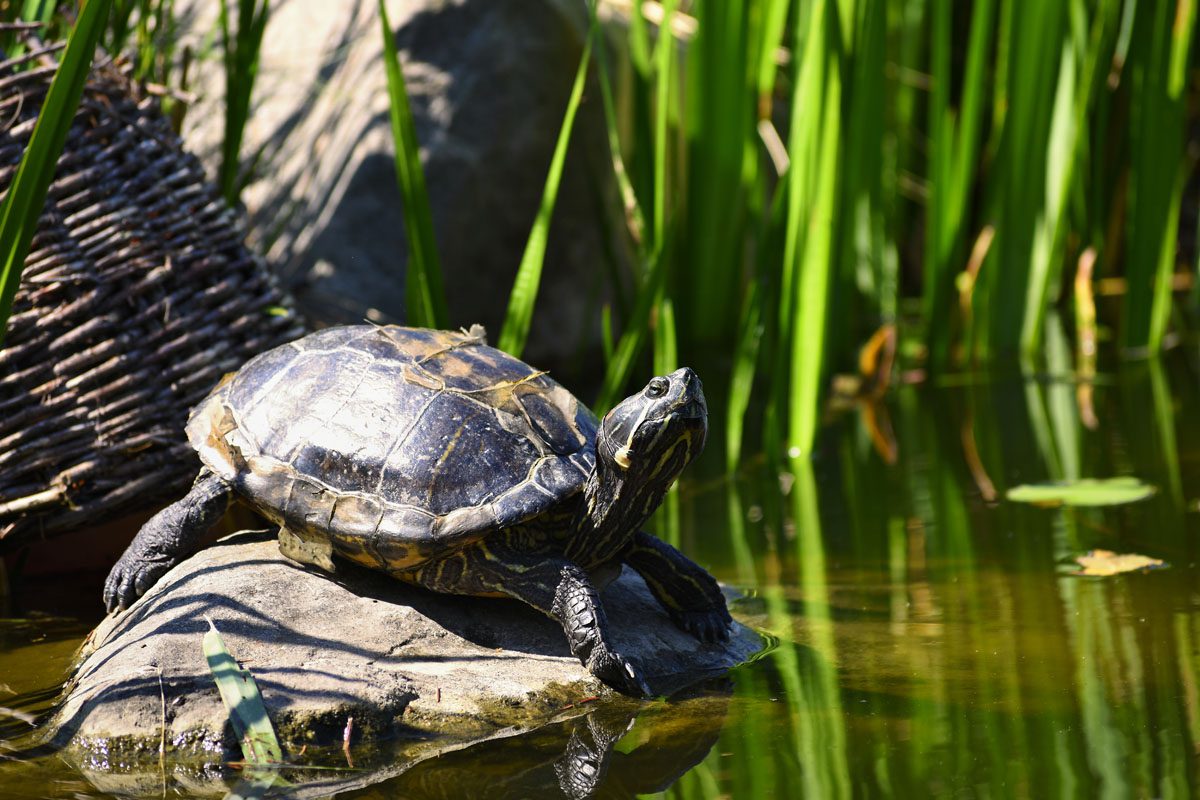
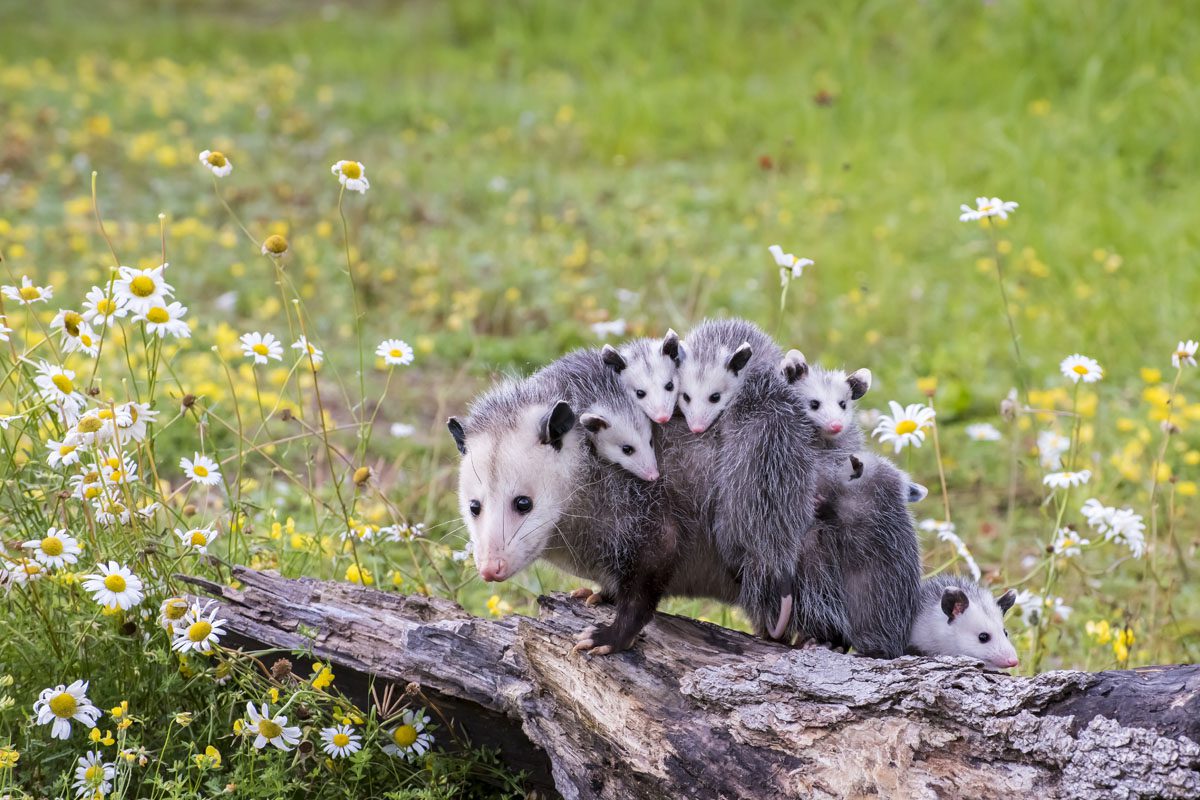
- They have full inspection authority in cases of poaching and/or the protection of protected species (turtles, opossums, etc.).
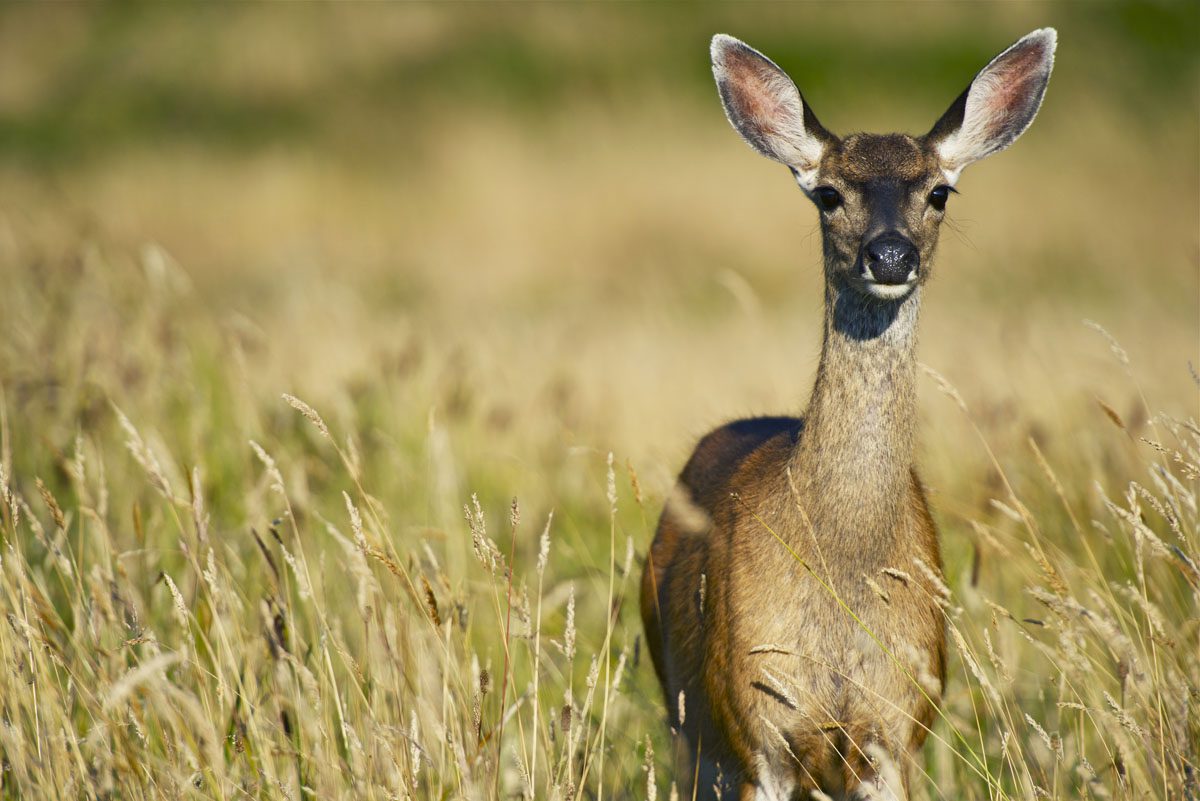
- They respond mainly for white-tailed deer and animals suspected of having rabies.
- The Ministère de l’Environnement, de la Lutte contre les changements climatiques, de la Faune et des Parcs is responsible for all wild animals in the province.
Ministère de l’Environnement, de la Lutte contre les changements climatiques, de la Faune et des Parcs
1 844 LAFORET (1 844 523-6738)
Granby regional office: 450 776-7131
S.O.S. Poaching: 1 800 463-2191
Hazing techniques
- Place a radio tuned to a continuous music station directly on the floor of the occupied structure. The vibration created by the radio will be very unpleasant for the animal.
- If you have access to one of the entrances to the animal’s “den,” place a flashlight there, shining directly inside. Once again, this is very unpleasant for the animal!
- You can also place several mothballs inside the den. You can use a cloth soaked in pure bleach and place it in areas where the animal often travels. The strong smell helps keep them away.
- There are bottles containing wolf or coyote urine. As these are natural predators of small nuisance animals, the scent on a cloth will help keep them away. A container of synthetic urine can easily be stored in the refrigerator for 1 year. If it is an adult mother with her young, she will leave the area and take them with her. Take the time to inform your neighbours about your actions. We do not want the animal to move to your immediate neighbour’s home, or to make their life unpleasant because of the sound of the radio or continuous light.
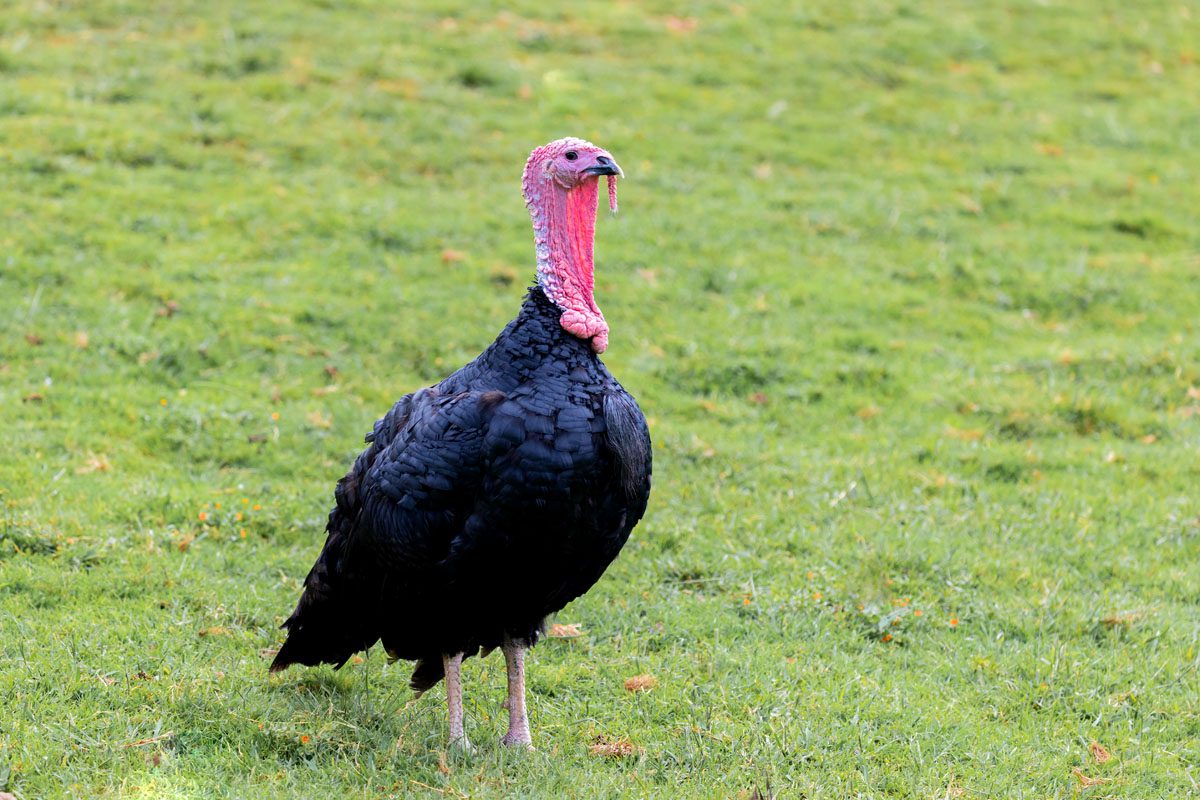
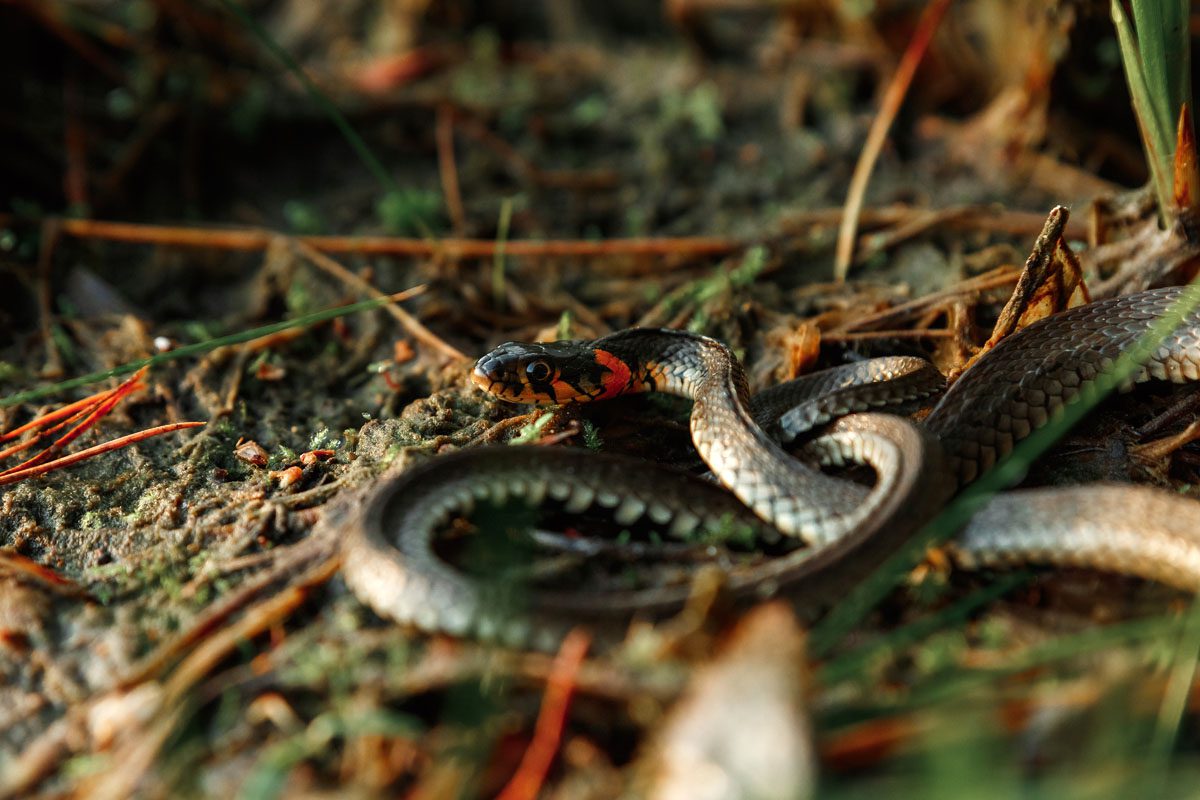
Common animals in the region
Très courants dans la région généralement vus la nuit. On peut conseiller de faire appel à des trappeurs spécialisés
Très courants dans la région généralement vus le soir ou la nuit.
Très courantes dans la région.
Aucun contact physique si encore en vie, forte amende par la faune
Très courantes en ville et à la campagne, chassent les souris et grenouilles, pas vénéneuses
Très courantes dans la région, il en existe des espèces protégées
De plus en plus courants dans la région, mangent les tiques.